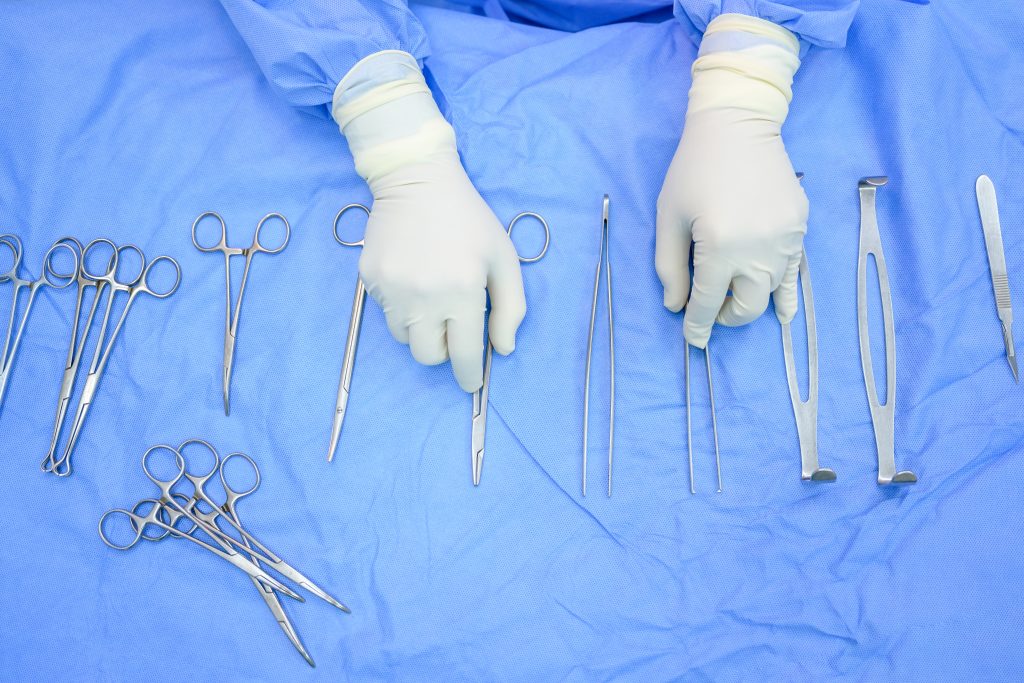
Surgical procedures are necessary for treatment and recovery, yet can lead to various complications, particularly SURGICAL SITE INFECTIONS(SSIs). These infections can significantly impact a patient’s recovery Phase, prolonged hospital stays , and increase health care costs. In this blog we will learn about types, causes, prevention strategies and management of Surgical Site issues.
What are surgical site infections?
Surgical site infections are the ones that occur in the area where surgery has been performed. SSI are a type of Hospital Associated infection (HAI).
There are 3 types of SSIs says Centers for Disease Control:
- Superficial Incisional SSI: Infection occurs at the level where the incision was made.
- Deep Incisional SSI: Infection develops beneath the incision in the muscle and surrounding tissue.
- Organ or Space SSI: Infection occurs in any area of the body other than skin or muscle that was involved in surgery.
The incidence of Surgical Site Infections occurred between 1% to 3% of surgical patients due to factors like type of the surgery and patient health influencing risk.
Causes and Risk Factors of surgical site infection
Surgical Site infections are primarily caused by Bacteria Entering the surgical site. Common culprits include Staphylococcus, Streptococcus, and Pseudomonas species.
Risk factors of SSI:
- Pre-existing conditions: Diabetes, Obesity, and a weakened immune system.
- Surgical Factors: Emergency surgeries, surgeries lasting long hours, or a major surgery of an internal organ
- Environmental Factors: Contaminated surgical instrument or improper care post surgery.
Signs and Symptoms of surgical site infections
Any SSI case may cause redness, delayed healing , fever, pain, tenderness, warmth, or swelling. There are other signs and symptoms for specific types of surgical site infections.
- Increased pain or tenderness in the surgical site
- Redness and swelling
- Presence of pus or drainage
- Fever or chills
- Delayed healing of the wound
Preventing Surgical site infection(SSIs)
If you are undergoing surgery, ask your doctor what you may do to lower your chance of developing a surgical site infection. It is critical to quit smoking before surgery and to inform your surgical team about your medical history, particularly if you have diabetes or another chronic ailment. Also, avoid shaving in the skin area that the surgeon intends to operate on.
No matter how curious they are, loved ones should avoid touching your wound or surgical site. Follow your doctor’s recommendations for wound care after surgery. Call your doctor if you experience fever or pus, redness, heat, pain or tenderness near the wound, or any other signs or symptoms of a surgical site infection.
Treating surgical site infections
Most SSIs are treatable with antibiotics. Additional surgery or procedures may be needed to treat the SSI. During rehabilitation, ensure that friends and family members wash their hands before and after entering your room. Make sure all caregivers, including doctors and nurses, wash their hands.
Conclusion
Surgical site concerns remain a key element of postoperative care that must be addressed by both healthcare practitioners and patients. Understanding the many types of surgical wounds, detecting probable causes and symptoms, and applying effective prevention techniques can help to dramatically minimize the incidence of surgical site infections. Adherence to these standards not only improves recovery results, but also increases overall patient safety in surgical settings.